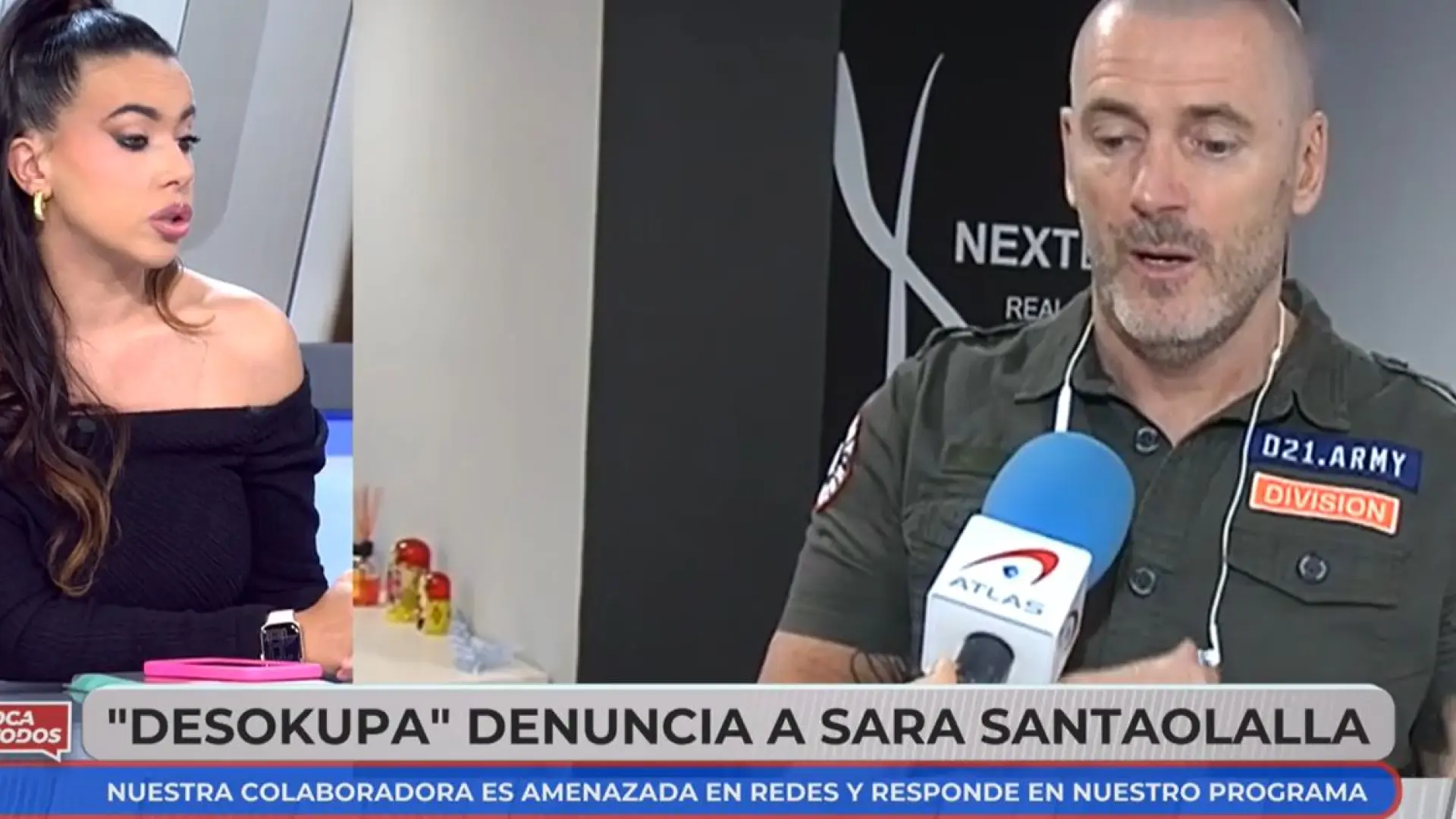
Inside Sarah Santaolalla's 'En Boca de Todos' Departure: Humiliation & Aggressors
The world of live television is no stranger to drama, but few exits have resonated with such intensity and profound implications as Sarah Santaolalla's departure from 'En Boca de Todos'. What began as a seemingly innocuous on-air exchange quickly escalated into a public outcry against alleged victim-blaming, misogyny, and professional misconduct, culminating in Santaolalla's powerful and definitive statement on X (formerly Sarah Santaolalla Quits 'En Boca de Todos': Machismo & Victim BlamingTwitter).
Her walkout, captured live, and the subsequent declaration, exposed deep fissures within the media landscape, sparking a crucial conversation about the treatment of individuals, particularly women, in high-pressure public forums. This article delves into the precise moments that led to her departure, dissects her unfiltered communication on social media, and explores the broader implications of her courageous stand for dignity.
The Tense On-Air Confrontation That Led to a Walkout
The catalyst for Sarah Santaolalla's dramatic exit from the set of 'En Boca de Todos' was a heated exchange that rapidly spiraled out of control. During a live broadcast, collaborator Antonio Naranjo questioned Santaolalla about the duration of her wearing an arm sling. While seemingly a simple query, it immediately struck a raw nerve. Santaolalla retorted, "I haven't come here to talk about myself," signaling her discomfort with the personal line of questioning.
However, the conversation took a far more aggressive turn when Naranjo, citing public knowledge, revealed details about Santaolalla's personal security – specifically, that Grande-Marlaska had assigned her an escort. More critically, he mentioned reports allegedly indicating she had suffered "no injury" following an incident with journalist Vito Quiles. This insinuation, undermining her experience and potentially trivializing a serious situation, proved to be the breaking point.
Visibly distraught and outraged, Santaolalla erupted. "You're putting the aggressor and the victim on the same level," she exclaimed, her voice laden with frustration. The accusation of victim-blaming, broadcast live, exposed a profound ethical chasm. As the cameras continued to focus on her during this highly emotional moment, she cried out, "It's amazing, it's amazing, and let the damn camera stop focusing on me, can the camera stop focusing on me?" With that impassioned plea, she stood up and walked off the set, leaving viewers and colleagues stunned.
This incident wasn't merely a temper flare; it was a visceral reaction to what she perceived as a deeply disrespectful and unjust line of questioning, designed to discredit her and minimize her lived experience. It highlighted the intense pressure and often hostile environment that public figures, especially those dealing with personal safety concerns, can face in televised debates.
Sarah Santaolalla's Powerful X Statement: A Resignation and a Reckoning
Hours after her explosive on-air departure, Sarah Santaolalla took to her personal account on X (formerly Twitter) to deliver a definitive statement that transcended a mere resignation. Her post, a deeply personal and professionally courageous communiqué, laid bare the reasons for her permanent exit from 'En Boca de Todos' and ignited a wider conversation about workplace culture and media ethics. For more on the initial unfolding, see Sarah Santaolalla's Explosive TV Exit & X Statement: What Happened?
Santaolalla declared her decision to step back from her collaborations, clarifying that it was not a simple choice but one necessitated by prolonged suffering from "situaciones machistas, negacionistas e inhumanas" (machista, denialist, and inhumane situations). She described the on-air incident as "la última encerrona" (the last ambush), implying a pattern of targeted pressure and disrespect.
In her candid Sarah Santaolalla Twitter statement, she articulated precisely why she could no longer continue:
- Accusations and Humiliation: She stated, "In that space, I have been accused of being everything from a 'concubine' to a 'false victim' or of 'showing my coconuts'." These deeply personal and demeaning attacks, aired publicly, represent a severe breach of professional conduct and personal respect.
- Defense of Aggressors: A central theme of her frustration was the perceived defense of aggressors. "I believe I cannot be in a place where victims are despised, we are humiliated, and aggressors are defended," she wrote, highlighting a dangerous blurring of lines between journalistic inquiry and enabling hostile behavior.
- Refusal to "Whitewash": Santaolalla made it clear she would no longer tolerate or passively endorse such an environment. "I can't take any more, I don't have to put up with any more, and I don't want to whitewash any more," she asserted, signaling a refusal to lend her credibility to practices she deemed unethical.
Her statement was not without nuance, however. While condemning the toxic elements, she expressed gratitude to Mediaset, the production company, the behind-the-scenes team, direction, and those colleagues who "sí han sabido estar a la altura" (did know how to rise to the occasion). This distinction underscored her appreciation for professional support while unequivocally rejecting the harmful conduct she had endured.
Concluding with a powerful affirmation of self-worth, she stated, "No decent person can tolerate this. It's called dignity, and I have a lot of it." This resonates as a universal call for self-respect and the assertion that some lines simply should not be crossed in the name of entertainment or debate.
Beyond the Headlines: Unpacking the Broader Implications of Her Departure
Sarah Santaolalla's departure transcends a single television program; it serves as a stark reminder of systemic issues prevalent in certain media environments. Her experience brings to light several critical discussions:
- The Peril of Victim-Blaming: The core of Santaolalla's outrage was the allegation of being a "false victim" and the conflation of aggressor and victim. This is a pervasive issue, particularly in cases involving public figures or sensitive personal safety matters. It not only re-traumatizes individuals but also discourages others from coming forward. Media outlets have a profound ethical responsibility to report on such situations with sensitivity and accuracy, avoiding language or framing that implies culpability on the part of the victim.
- Misogyny and Harassment in Media: The specific accusations Santaolalla faced – being called a "concubine" or told to stop "showing my coconuts" – point to overt misogyny and sexual harassment. These are not just insults but tactics designed to demean, silence, and undermine women in professional settings. Her public stand highlights the need for robust internal policies and a culture that actively rejects such behavior.
- The Power of the Public Platform (and Its Dangers): While television offers a platform for debate, it can also become an arena for public humiliation if not managed responsibly. Santaolalla's walkout and subsequent Sarah Santaolalla Twitter statement demonstrate the double-edged sword of public exposure. While it enabled her to articulate her truth, it was also the very environment where she endured the alleged aggressions.
- Ethical Journalism vs. Sensationalism: The incident raises questions about the editorial choices made in live television. Was the questioning of Santaolalla genuinely newsworthy or an attempt to generate sensationalism at her expense? Journalists and producers bear the responsibility of balancing audience engagement with ethical reporting and respect for participants.
For individuals facing similar challenges in their professional lives, Santaolalla's actions offer a powerful lesson: understanding your boundaries and asserting your dignity is paramount. It's crucial to document incidents, seek support from trusted colleagues or HR, and recognize when a work environment becomes genuinely toxic. Sometimes, as Santaolalla demonstrated, the most empowering step is to walk away from spaces that compromise your values and well-being.
The Battle for Dignity: A Stand Against "Professional Liars" and "Mercenaries"
In her extended statement, Sarah Santaolalla went further than just detailing her personal grievances. She broadened her critique to encompass the very fabric of the journalistic integrity she believed was compromised within the program. "No puedo sentarme en una mesa en la que hay mentirosos profesionales, mercenarios de la información y gente pagada por el poder político y fingir que todos somos iguales," she asserted. ("I cannot sit at a table where there are professional liars, mercenaries of information, and people paid by political power and pretend that we are all equal.")
This powerful condemnation speaks volumes about the perceived erosion of journalistic ethics and independence. By labeling some as "professional liars" and "mercenaries of information," Santaolalla suggests a deliberate distortion of truth and a transactional approach to news delivery, driven by motives other than objective reporting. The accusation of individuals being "paid by political power" points towards an insidious influence that can undermine the credibility of any media platform.
Her refusal to "pretend that we are all equal" in such an environment is a profound statement on personal integrity. It underscores the incompatibility of her values with a system she views as compromised. This isn't just about a disagreement over a topic; it's about a fundamental clash of principles regarding the role and responsibility of the media in society.
Santaolalla's stand resonates with broader concerns about disinformation, political polarization, and the public's trust in media. Her actions serve as a call for greater transparency and accountability within the industry. When public figures, particularly journalists, openly challenge the integrity of their own platforms, it forces a critical examination of the standards upheld—or neglected—in the pursuit of news and commentary.
Her assertion, "Es incompatible con todo lo que creo, defiendo y respeto," clearly defines her ethical line in the sand. This is a battle for the soul of reporting, an insistence that some truths are not negotiable and some forms of discourse are simply unacceptable. It’s a powerful testament to the idea that personal dignity is intertwined with professional ethics.
Conclusion
Sarah Santaolalla's dramatic exit from 'En Boca de Todos' and her subsequent candid statement on X represent far more than a personal career decision. It is a powerful narrative about standing up against humiliation, victim-blaming, and alleged professional misconduct in a high-profile arena. Her decision to prioritize her dignity over continued participation in an environment she deemed hostile and unethical has sparked vital conversations about the responsibilities of media outlets, the treatment of women in public life, and the imperative for integrity in journalism. While her time on 'En Boca de Todos' has ended, her resolute declaration – "Nos vemos en la pantalla, pero en otras más dignas" (We'll see each other on screen, but on more dignified ones) – suggests that her voice, and her commitment to ethical discourse, will continue to resonate.